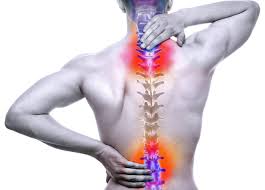
Spinal Cord injuries
A spinal cord injury - damage to any part of the spinal cord or nerves at the end of the spinal canal - often causes permanent changes in strength, sensation and other body functions below the site of the injury.
If you've recently experienced a spinal cord injury, it might seem like every aspect of your life will be affected.
Many scientists are optimistic that advances in research will someday make the repair of spinal cord injuries possible. Research studies are ongoing around the world. In the meantime, treatments and rehabilitation allow many people with a spinal cord injury to lead productive, independent lives.
Spinal cord injuries of any kind may result in one or more of the following signs and symptoms:
- Loss of movement
- Loss of sensation, including the ability to feel heat, cold and touch
- Loss of bowel or bladder control
- Exaggerated reflex activities or spasms.
- Changes in sexual function, sexual sensitivity and fertility
- Pain or an intense stinging sensation caused by damage to the nerve fibers in your spinal cord
- Difficulty breathing, coughing or clearing secretions from your lungs
Rehabilitation
Rehabilitation team members will begin to work with you while you're in the early stages of recovery. Your team may include a physical therapist, occupational therapist, rehabilitation nurse, rehabilitation psychologist, social worker, dietitian, recreation therapist and a doctor who specializes in physical medicine (physiatrist) or spinal cord injuries
During the initial stages of rehabilitation, therapists usually emphasize maintenance and strengthening of existing muscle function, redeveloping fine motor skills and learning adaptive techniques to accomplish day-to-day tasks.
You'll be educated on the effects of a spinal cord injury and how to prevent complications, and you'll be given advice on rebuilding your life and increasing your quality of life.
You'll be taught many new skills, and you'll use equipment and technology that can help you live on your own as much as possible. You'll be encouraged to resume your favorite hobbies, participate in social and fitness activities and return to school or the workplace.